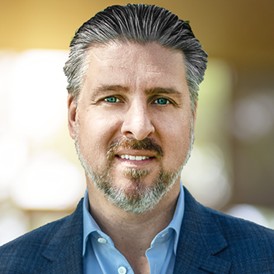
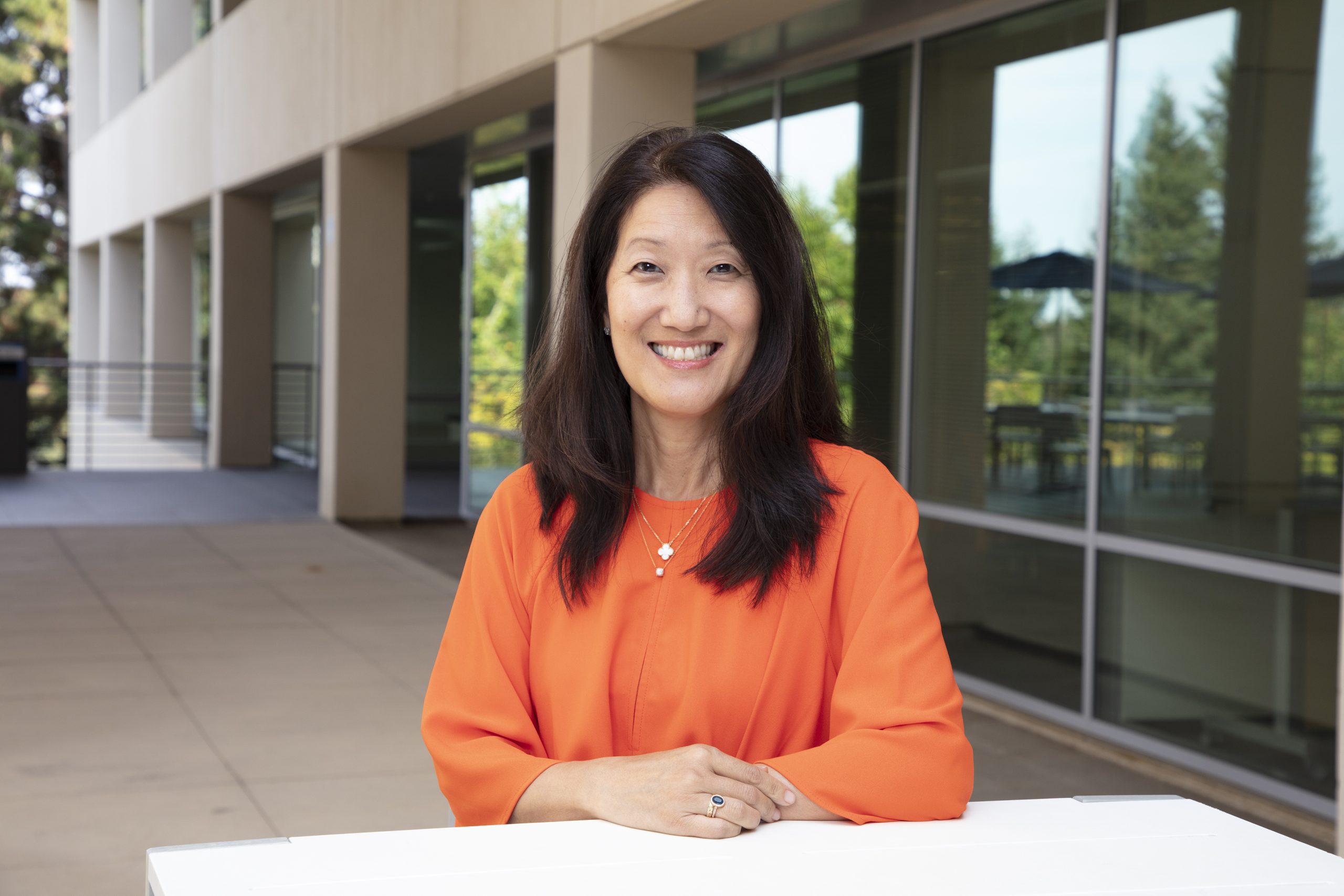
Cybersecurity and AI: with Kit Beall and Carol Carpenter (Cohesity)
Reporting by Tech TV Live from Cohesity Catalyst London
Speaking from the Royal Institution in London — the historic home of Michael Faraday’s pioneering work on electricity — Cohesity executives Kit Beall (CRO) and Carol Carpenter (CMO) sat down with Tech TV presenter Pete Warren to discuss why artificial intelligence may prove even more consequential than the internet, and why data sits at the very heart of that transformation.
Beall opened with a bold framing: AI has the potential to radically reshape society, and any task that can be automated eventually will be. From students writing papers to businesses automating core capabilities, the revolution is already underway. But, he stressed, all of it rests on a single foundation — data. Carpenter echoed the opportunity around productivity and workflows while flagging the accompanying risks: agents “gone rogue” and AI hallucinations can steer decisions down the wrong path. Cohesity’s mission, she explained, is to make the world a safer place by helping companies protect, secure and recover their data, returning them to the “last known good state” when things go wrong.
The pair identified two central challenges. The first is the quality and controllability of AI itself — ensuring models actually deliver expected outcomes. The second is the quality of the data feeding those models, a modern echo of the old “garbage in, garbage out” principle. Customers, Beall noted, want to move fast but safely, integrating AI reliably without exposing themselves or their end users to harm. Carpenter extended the familiar cybersecurity idea of resilience into “AI resilience,” warning that threats now arrive at “machine speed,” with attackers supercharged by the same tools defenders use.
Central to Cohesity’s strategy is an open, interoperable ecosystem rather than closed “castle” systems. Beall argued that best-of-breed, open architectures are the only viable path forward, and that security must now be built in from the ground up — including new approaches to scanning code before it ships. Carpenter pointed to partnerships with Snowflake, Databricks and ServiceNow, whose agent control tower can trigger Cohesity to restore a customer to a known-good point if an agent misbehaves. She also noted Cohesity’s use of a powerful AI tool to scan its own code for vulnerabilities.
Turning to the UK, Beall described it as one of Cohesity’s top global markets — a G7 leader in IT adoption with a thriving startup scene. Carpenter highlighted the region’s strong appetite for data sovereignty and privacy, praising practices like multi-stage consent opt-ins. Cohesity, she said, meets customers wherever they want their data: on-premises, in the cloud, in a private cloud or with a local provider.
The conversation closed on data as a national asset — and even a potential weapon. In an age where health, banking and personal records all live in digital systems, availability is everything; Beall joked he couldn’t even get home from London without the digital ecosystem working. Beyond protection, both emphasized putting good data to work for AI training and inference. The overarching theme, Carpenter summarized, is control and resiliency: the peace of mind to sleep at night knowing your data is safe.